THE BLEND MAG
Exploring Asia’s Best in Lifestyle.
by The Blend Mag Editorial Team
In an industry increasingly driven by speed, Priya Agarwal has spent the last decade building a fashion label around the exact opposite: slowness, craftsmanship, and the radical idea that comfort is not the enemy of luxury. For her, fashion was never simply about designing beautiful clothes. It was always about understanding the body that would eventually wear them.
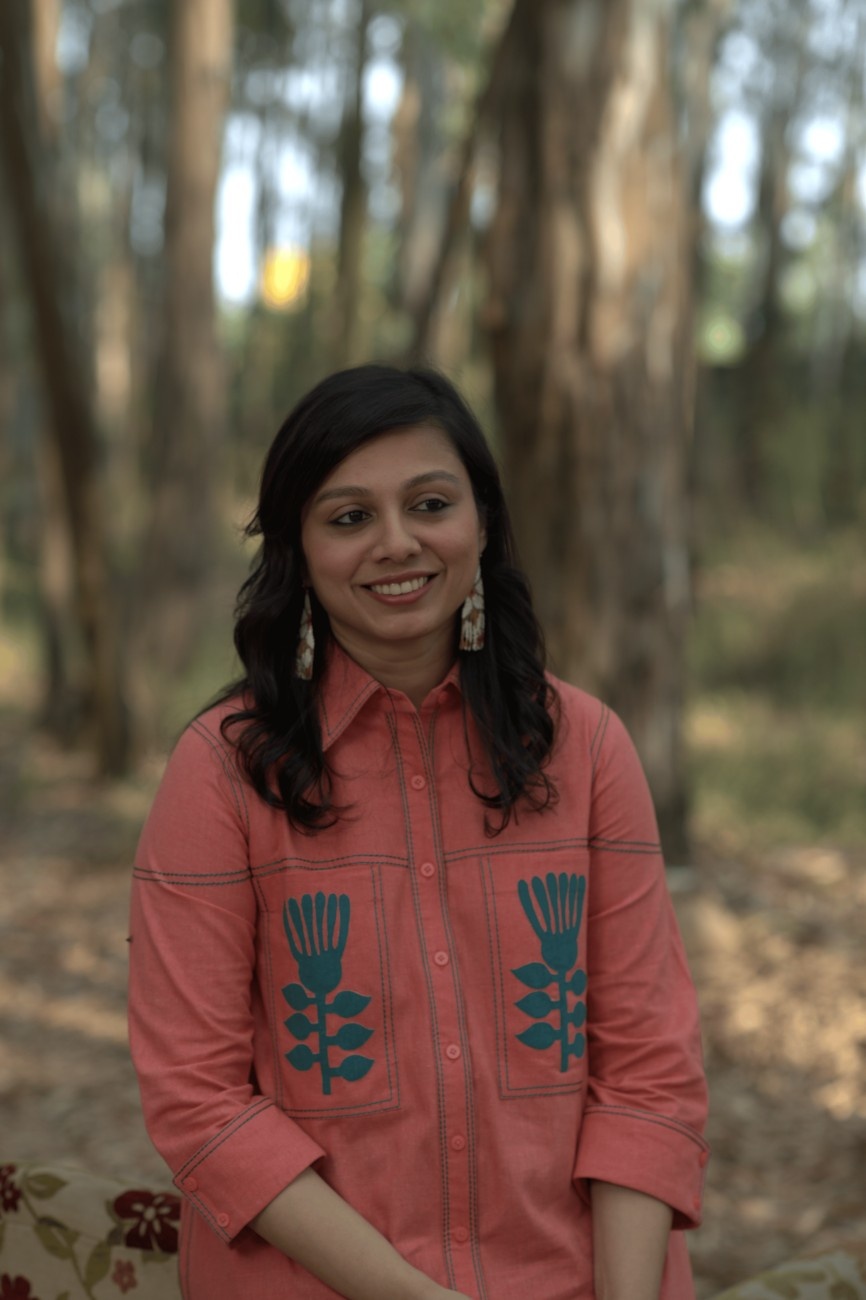
Fashion school gave Priya the vocabulary. The years that followed taught her how to speak it fluently.
After graduating from NIFT, Chennai she immersed herself in pattern making and garment construction under master pattern maker Mr. Nandakumar, whose understanding of Indian body measurements fundamentally changed the way she approached clothing.
"I stopped thinking about clothes as aesthetic objects," she reflects. "I started thinking about them as things that live on real bodies, in real heat, through real days."
It's a subtle distinction, but one that defines everything the label has become.
Instead of designing garments that look extraordinary on a runway but become uncomfortable after an hour, Priya became fascinated by something more difficult to achieve: creating clothes that almost disappear on the body while quietly elevating the person wearing them.
Construction and ease. Craft and wearability.Precision without performance.
Even today, those principles remain visible in every collection.
Alongside technical training, another influence stayed with her. Her art teacher, Mr. Bala, insisted relentlessly on original thinking. Never make something simply because everyone else is making it. A decade later, that advice still shapes every garment that carries her name.
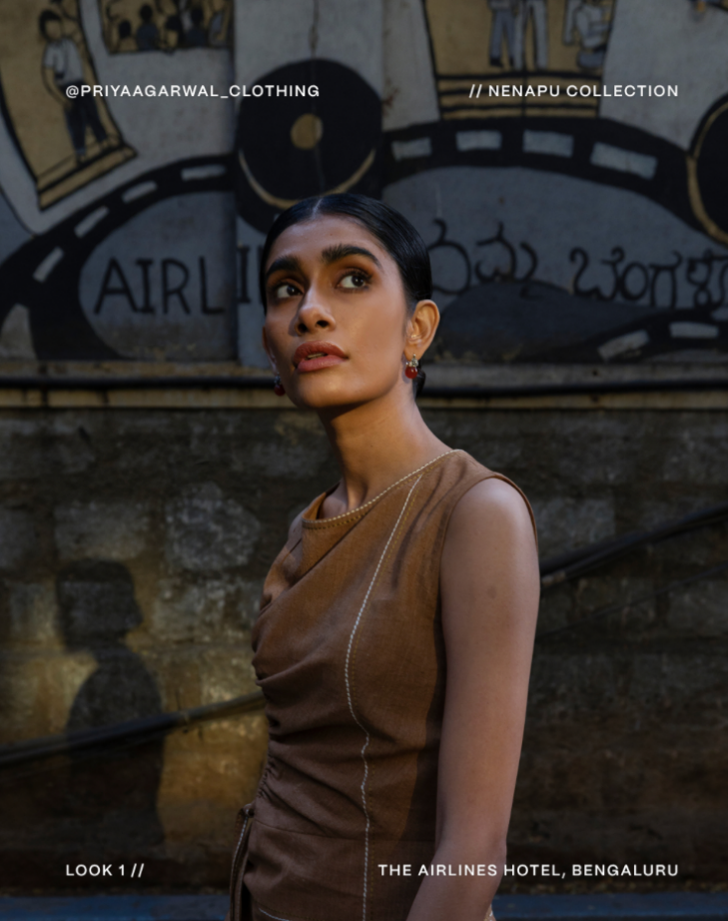
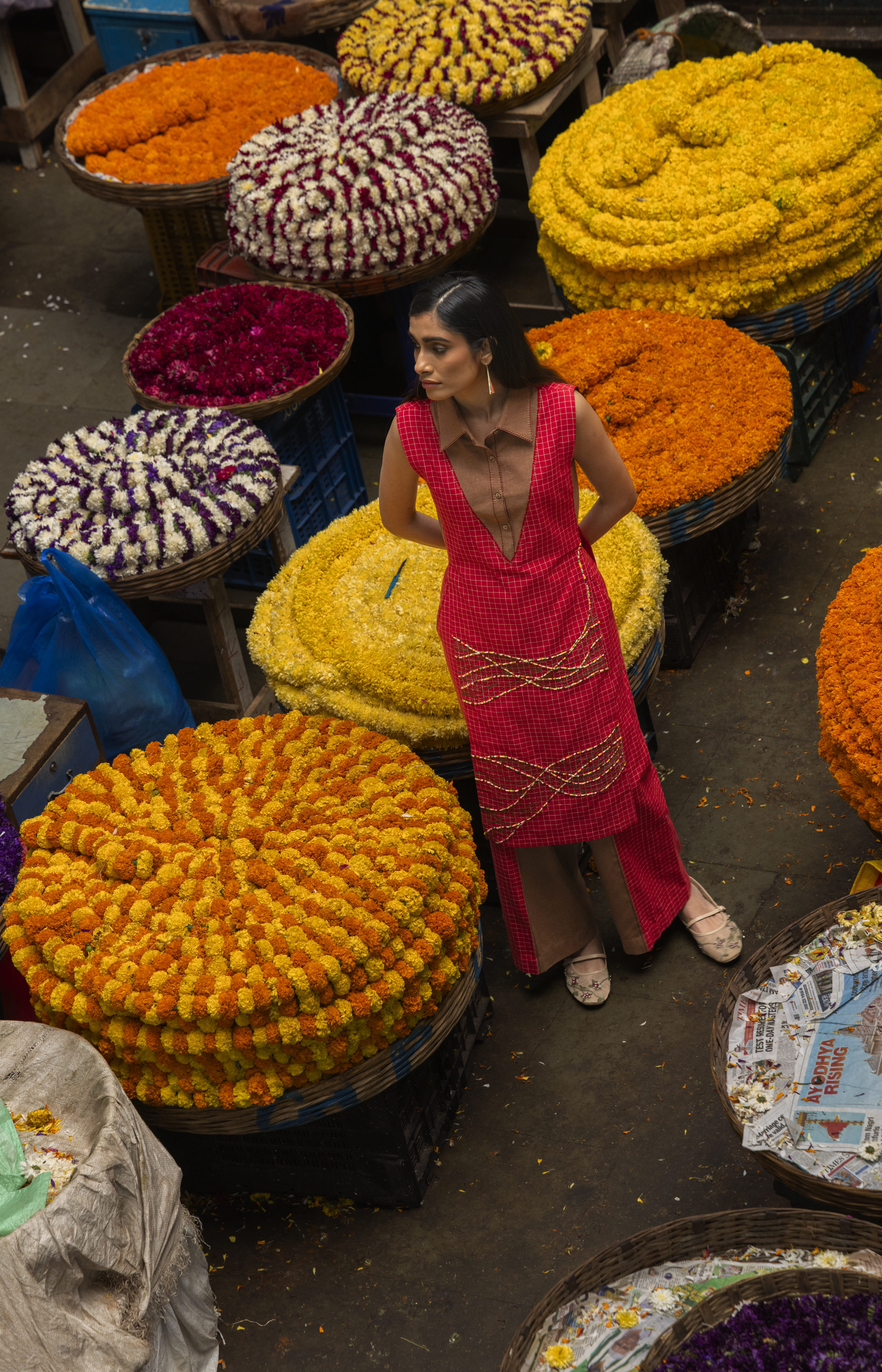
When Priya launched her namesake label in Bengaluru, then Bangalore in the year 2015, there wasn't a carefully mapped business strategy waiting behind it. There was simply instinct.
Fresh out of college, she approached fashion more like an artist than an entrepreneur, creating pieces that interested her aesthetically, following curiosity more than commercial logic.
"There wasn't a grand vision," she says."There was simply a strong point of view.The vision came later.It arrived gradually, layer by layer."
First came fabrics; understanding how handloom behaves differently from mill-made textiles, how natural fibres breathe, soften, and evolve with time.Then came sustainability; not as an industry trend, but as an inevitable conclusion to everything she believed about making clothes responsibly.Finally came the realisation that comfort wasn't a compromise.It was the objective.
"If you can create something that feels effortless to wear and still looks genuinely considered," she says, "you've found the sweet spot."
Over the years, another transformation quietly unfolded. The label stopped being solely about what Priya wanted to create. It became about everyone who made those creations possible. The weavers. The artisans.
The communities whose knowledge had existed long before the brand itself. "The biggest shift," she reflects, "was moving from I to we." For many brands, handloom functions as a marketing narrative. For Priya, it simply feels like honesty. She doesn't treat Indian textiles as nostalgia or heritage packaging. She sees them as intelligent design.
Handloom cotton breathes in Indian summers. It softens after every wash. It adapts to movement instead of restricting it. Unlike synthetic fabrics engineered for appearance, natural fibres develop character through use. They age with their wearer rather than against them.
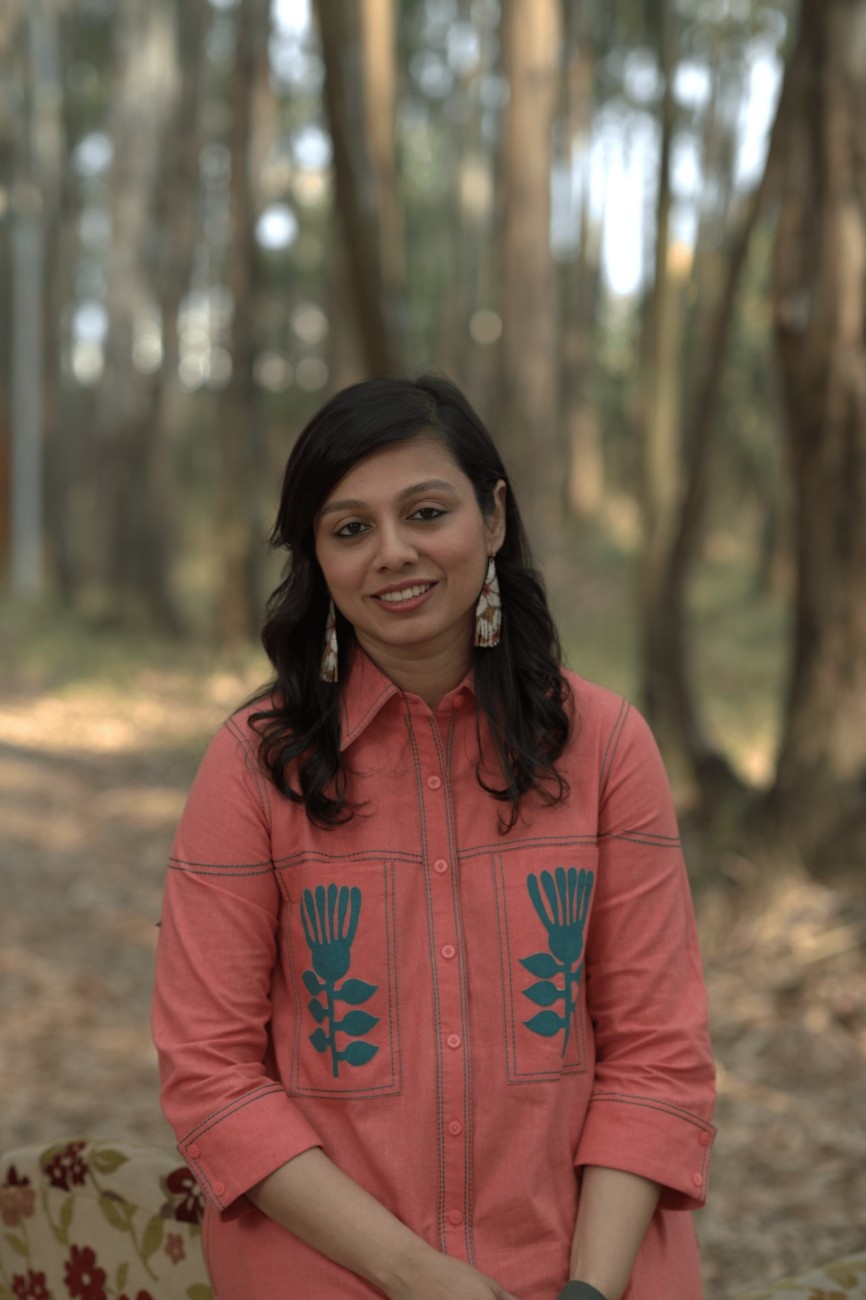
This philosophy feels increasingly relevant in a post-pandemic world where consumers are questioning not just what they buy, but how those products make them feel.
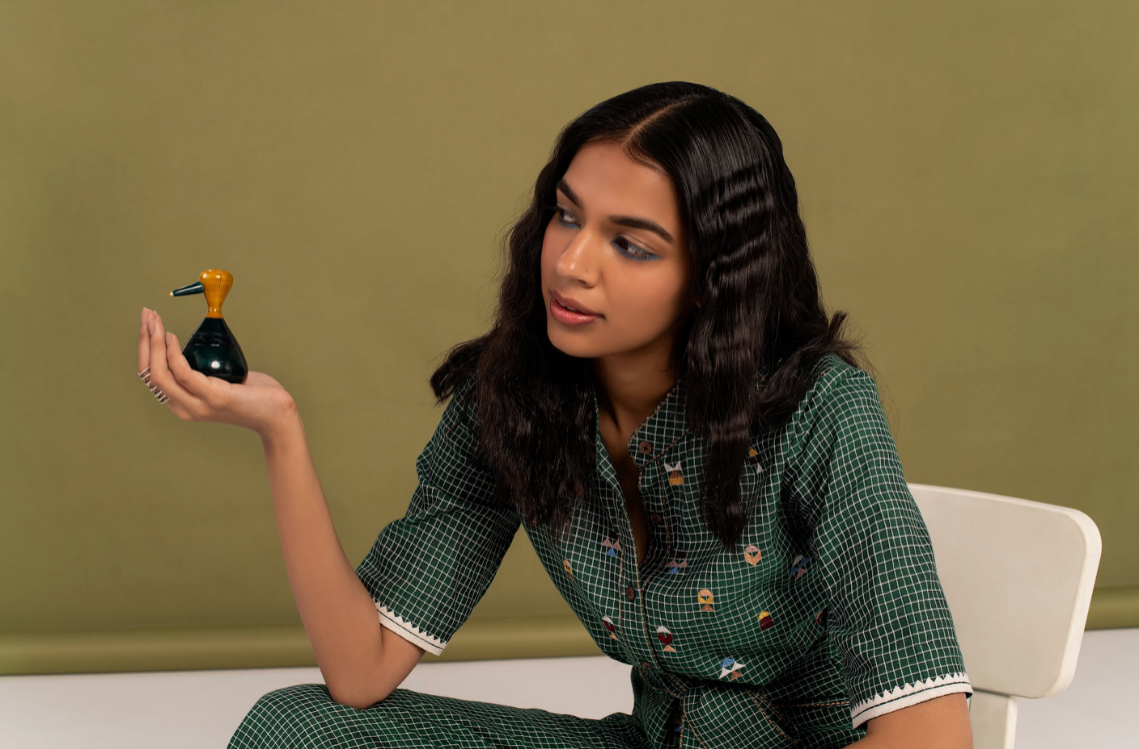
Luxury, today, has shifted. For decades, it often demanded discomfort. Sharp tailoring. Rigid silhouettes. Clothes that photographed beautifully but rarely belonged in everyday life. Priya believes that equation has finally begun to change.
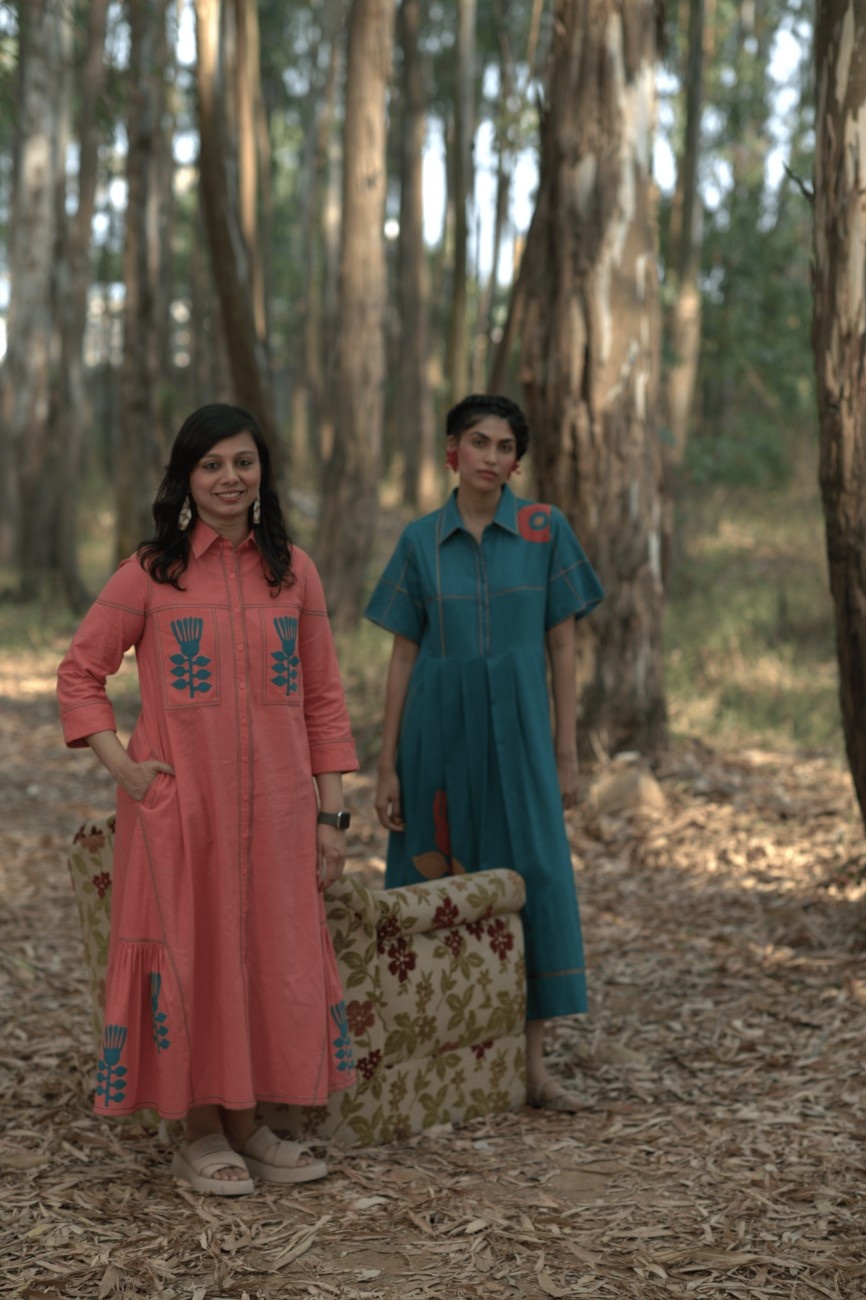
"Comfort has become the ultimate luxury." Not oversized. Not shapeless. Just effortless. The kind of ease that quietly transforms an ordinary day.
Ask Priya when she first realised her work meant more than clothing, and she doesn't point to a viral moment or celebrity endorsement.
She remembers conversations.
A customer who wore one of her garments to her mother's birthday and never wanted to part with it. Another who packed one particular shirt for every journey because it made her feel like herself, regardless of where she travelled. And one woman at an exhibition who held a garment silently for several minutes, not because she was undecided, but because the fabric had transported her somewhere else entirely.
Those moments eventually inspired Nenapu, one of the label's collections. The word means "memory" in Kannada. It's an apt name. Because clothes often become the quietest archives we own.
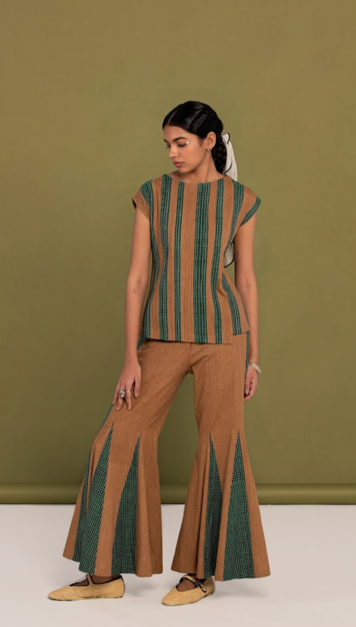
They remember celebrations. Grief. Cities. People. Versions of ourselves we've long outgrown. When a garment becomes inseparable from someone's memory, it stops being fashionable. It becomes a biography. Fashion has always relied on urgency. Every season introduces something new.
Every trend quietly tells us that last month's purchase is already outdated. Priya never found that convincing. She grew up watching her mother dress with remarkable consistency. Not according to trends. According to herself.
"She looked like herself every single day."
That image became the foundation of the brand. Rather than creating collections designed to chase relevance, Priya focused on something far more enduring: individuality.
"The women I design for aren't waiting for someone to tell them who they should become," she says.
"They already know." Her role is simply to create clothing worthy of thatertainty. Perhaps that's why her collections never feel trapped within a particular season. They feel lived-in before they're even worn. The phrase "slow fashion" has become fashionable itself.
Priya is careful with the term. For her, slowness isn't an aesthetic. It's a discipline. Every collection begins with difficult questions.
Where did this fabric come from? Who made it? Does this garment deserve to exist? Will someone still love it years from now? Answering those questions honestly requires patience. Sometimes an appliqué technique takes four months to perfect.
Colours are rejected. Patterns begin again. Entire ideas disappear. That isn't inefficient. It's respect. Because time, she believes, becomes embedded inside the finished garment.
The wearer may never know how many versions existed before the final one. But they often feel it.
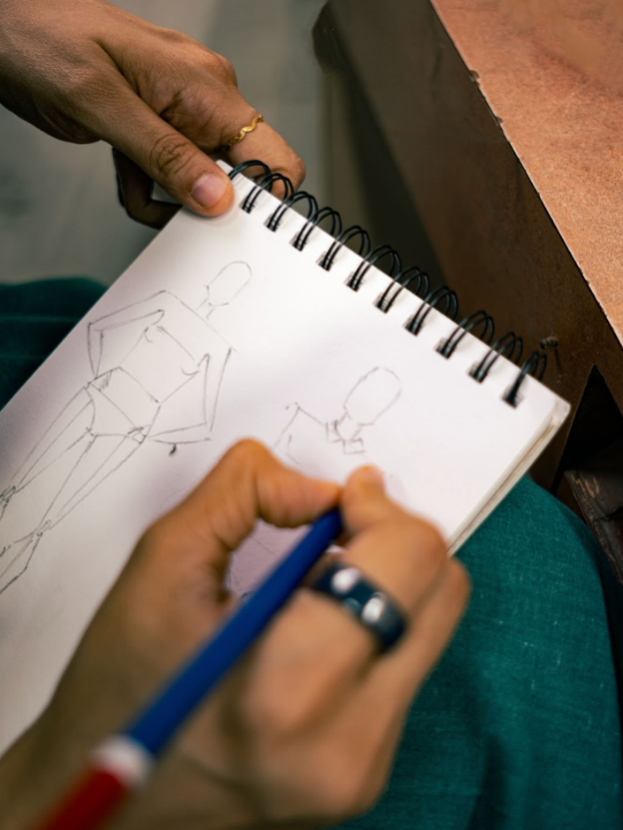
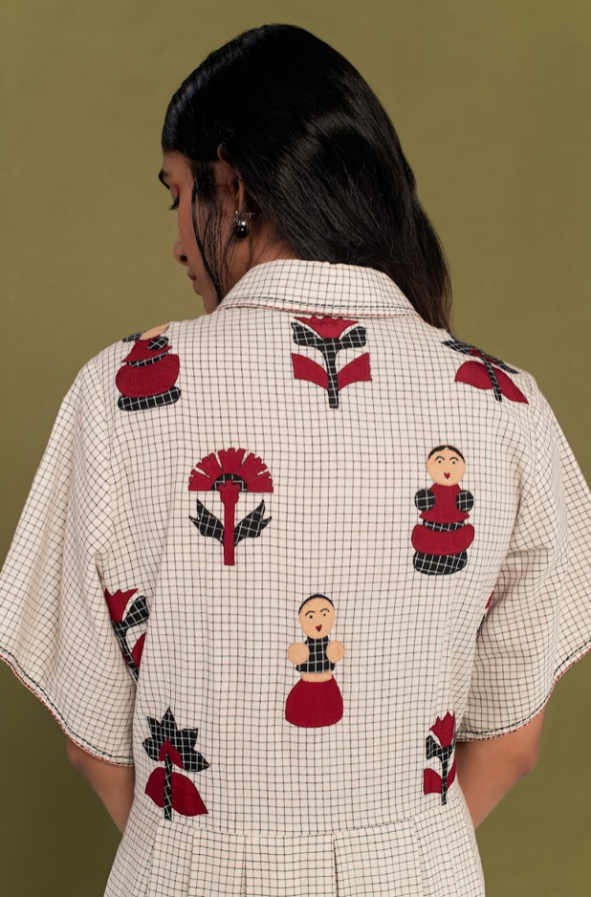
Appliqué, in particular, has become one of her creative signatures. "It's less like using a techniqike machine precision, appliqué reveals the presence of the artisan.
Every placement carries evidence of a human decision. And that's precisely what gives it warmth. Ask Priya whether she's naturally a designer or an entrepreneur, and she laughs.
"The designer."
Running a fashion business, she admits, has been entirely learned. Growing up in a business family provided practical foundations, but building an independent label demanded different muscles. Over nearly ten years, one lesson has become impossible to ignore. Consistency matters more than brilliance. One remarkable collection creates excitement. Ten years of thoughtful work creates trust. Another lesson came from saying no. No to hurried expansion. No to the wrong collaborations. No to opportunities that compromised the identity of the label.
Those decisions, she believes, protected the brand more than any ambitious "yes" ever could. Looking back, the advice she'd offer her younger self is surprisingly simple. Trust the slowness sooner.
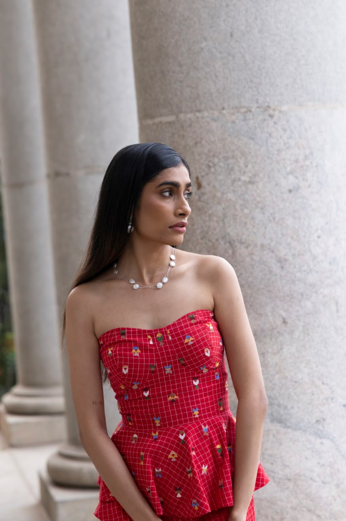
Relationships; with artisans, weavers, collaborators, take years to build. The strongest collections are rarely created through transactions. They're created through trust.
Ask Priya what luxury means in 2026, and her answer contains only two words. Time. Truth.
Time to weave handloom fabric over several days rather than several minutes. Time to dye textiles in small batches instead of industrial quantities. Time to perfect a technique before releasing it into the world.
Truth means transparency. Knowing where materials come from. Knowing who made them.
Ensuring that craftsmanship isn't merely a story told in marketing campaigns but something genuinely embedded within the product itself. In an era where consumers increasingly question every purchase, these qualities have become more valuable than logos ever were.
Today's customer isn't simply buying clothing. They're buying meaning. And increasingly, they want both.
Women have changed dramatically since Priya launched her label in 2015. Back then, choosing a handloom often felt like making a cultural statement.Today, it feels contemporary. More importantly, women appear less interested in dressing for external approval. They're choosing clothes that prioritise their own comfort before anyone else's expectations.
Relaxed tailoring. Natural fabrics. Thoughtful silhouettes. It's not simply a shift in fashion.It's a shift in identity. When asked what she hopes women feel wearing her clothes, Priya pauses before answering
"Settled."
It's an unexpectedly beautiful word. Not transformed. Not glamorous. Not powerful. Settled.
As though the garment belongs to the woman instead of asking the woman to belong to it.
In 2025, the label quietly completed ten years. There were no grand celebrations. No dramatic anniversary campaign. That restraint feels perfectly characteristic. Because longevity has never been the headline. It's been practice.
Today, Priya Agarwal represents something increasingly rare in contemporary fashion: a designer willing to resist urgency. A brand that believes clothes should accompany life rather than interrupt it. A philosophy that values comfort without sacrificing beauty. And a reminder that true luxury has very little to do with spectacle.
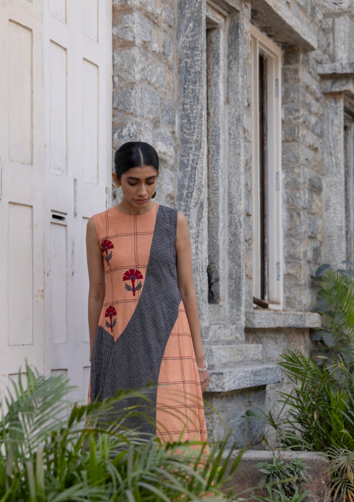
Perhaps the best description comes from Priya herself. Complete the sentence, we ask:
"True style is...," she smiles. "Knowing who you are and dressing accordingly." Everything else, she says, is simply costume.