THE BLEND MAG
Exploring Asia’s Best in Lifestyle.
How a young founder is redefining handbags, fragrance, and modern luxury through craftsmanship, storytelling, and quiet confidence.
Luxury doesn't always begin with certainty. Sometimes, it begins with uncertainty so profound that building something becomes the only way to find your way forward. For Meenal, the founder of Cavora, one of Dubai's emerging luxury brands, the journey wasn't sparked by a lifelong business plan or a family legacy in fashion. It started during one of the most uncertain chapters of her life, a period spent questioning not only what she wanted to do professionally, but what genuinely brought her joy.
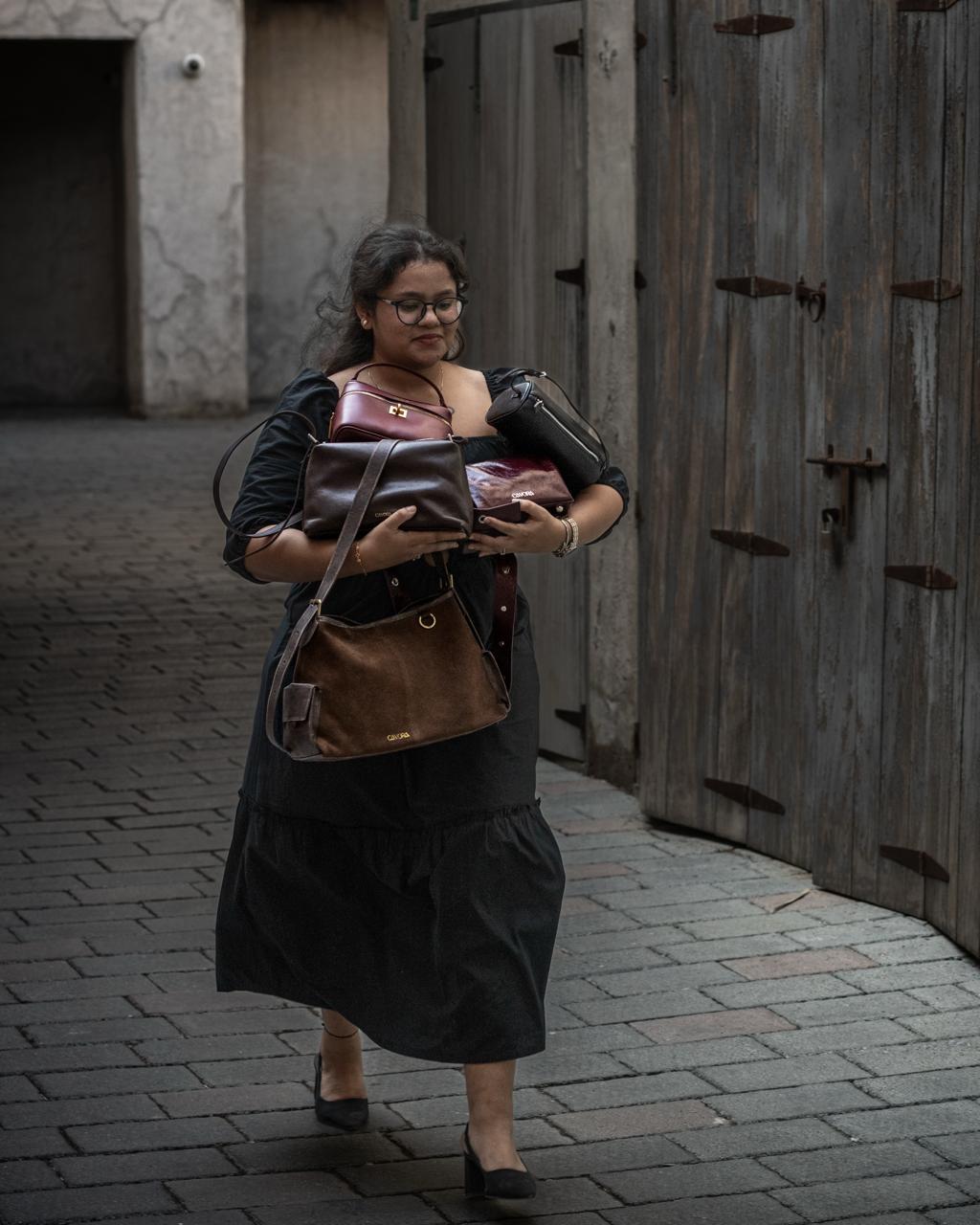
"I was struggling to figure out what truly made me happy," she tells us. The answer, surprisingly, wasn't hidden inside boardrooms or career plans. It was tucked away inside wardrobes and perfume bottles. "I loved discovering bags and fragrances because of how they made me feel."
That feeling, not the object itself, would eventually become Cavora. Because while handbags and perfumes might appear to belong to different worlds, she had always experienced them as two expressions of the same emotion: confidence. A beautifully made handbag can quietly transform the way you carry yourself. A fragrance has the remarkable ability to become part of your memories before you even realize it. Both accompany you through ordinary days and milestone moments alike. Those observations became the foundation of a brand that was never intended to sell status, but rather something far more enduring: self-expression.

Before Cavora ever existed, there was a recurring frustration. Like many consumers, Meenal found herself drawn to brands promising exceptional craftsmanship, premium materials and lasting quality. Yet too often, those promises dissolved once the product reached her hands.
Luxury had become remarkably good at telling stories. Less convincing at delivering them.
"There was a disconnect between what brands promised and what customers actually experienced." The market felt oddly divided.
At one end sat heritage luxury houses whose products remained inaccessible for many consumers. At the other were affordable alternatives that frequently required compromises in craftsmanship, longevity or design. She couldn't help wondering why there wasn't something in between.
A brand that valued beautiful design without inflating exclusivity. A brand where accessibility didn't require sacrificing quality. More importantly, a brand that focused less on selling aspiration and more on earning trust. "I wanted to create products people could genuinely rely on and feel connected to." It's a subtle distinction, but perhaps the most important one.
Because Cavora was never conceived as another luxury label competing for attention. It was imagined as a brand people would quietly choose every morning without questioning whether it belonged there.
At first glance, handbags and perfume seem like an unlikely pairing. One is tangible. The other disappears into the air. Yet their purpose is remarkably similar.
"They help people feel like the best version of themselves." A handbag becomes part of your daily rhythm. It follows you into meetings, cafés, airports, celebrations and countless ordinary afternoons. Fragrance is different, but equally intimate. It settles into memory.
It becomes associated with people, cities and moments long after the bottle is empty. Together, they create rituals rather than transactions. This is why Cavora was never intended to become a handbag company that later diversified into fragrance. Instead, it was built as a lifestyle brand centred around confidence, elegance and individuality.
Whether someone carries one of its bags or wears one of its fragrances, the emotional outcome remains the same. Feeling quietly, unmistakably themselves.
Living in one of the world's most international cities meant being surrounded by consumers with remarkably sophisticated expectations. They valued design, certainly, but they also expected functionality, longevity and flawless execution. That environment naturally shaped Cavora's identity.
Elegant rather than excessive. Ambitious without becoming loud. Global in perspective while remaining deeply connected to its roots. Dubai's entrepreneurial energy also played an equally important role. "It is a city built on ambition and the belief that anything is possible." That optimism gave her permission to think bigger. Not simply about products, but about building an entirely new luxury brand from the Middle East.
Ask ten people to define luxury today and you'll likely receive ten different answers. For Cavora's founder, Meenal, the definition has become remarkably simple. "Luxury isn't defined by a price tag." Instead, it's about confidence. Comfort. Quality.
It's the experience a product creates rather than the cost attached to it. An expensive handbag that doesn't feel authentic to the person carrying it isn't luxurious. A beautifully designed piece that effortlessly becomes part of someone's everyday life often is. This reflects a much broader shift happening across the luxury industry.
Consumers, particularly younger ones, are becoming less interested in obvious status symbols and increasingly drawn to brands that feel aligned with their own values. "They're looking beyond logos." They're asking where products come from.
Who made them? Why do they exist? Whether they'll still love them years from now.
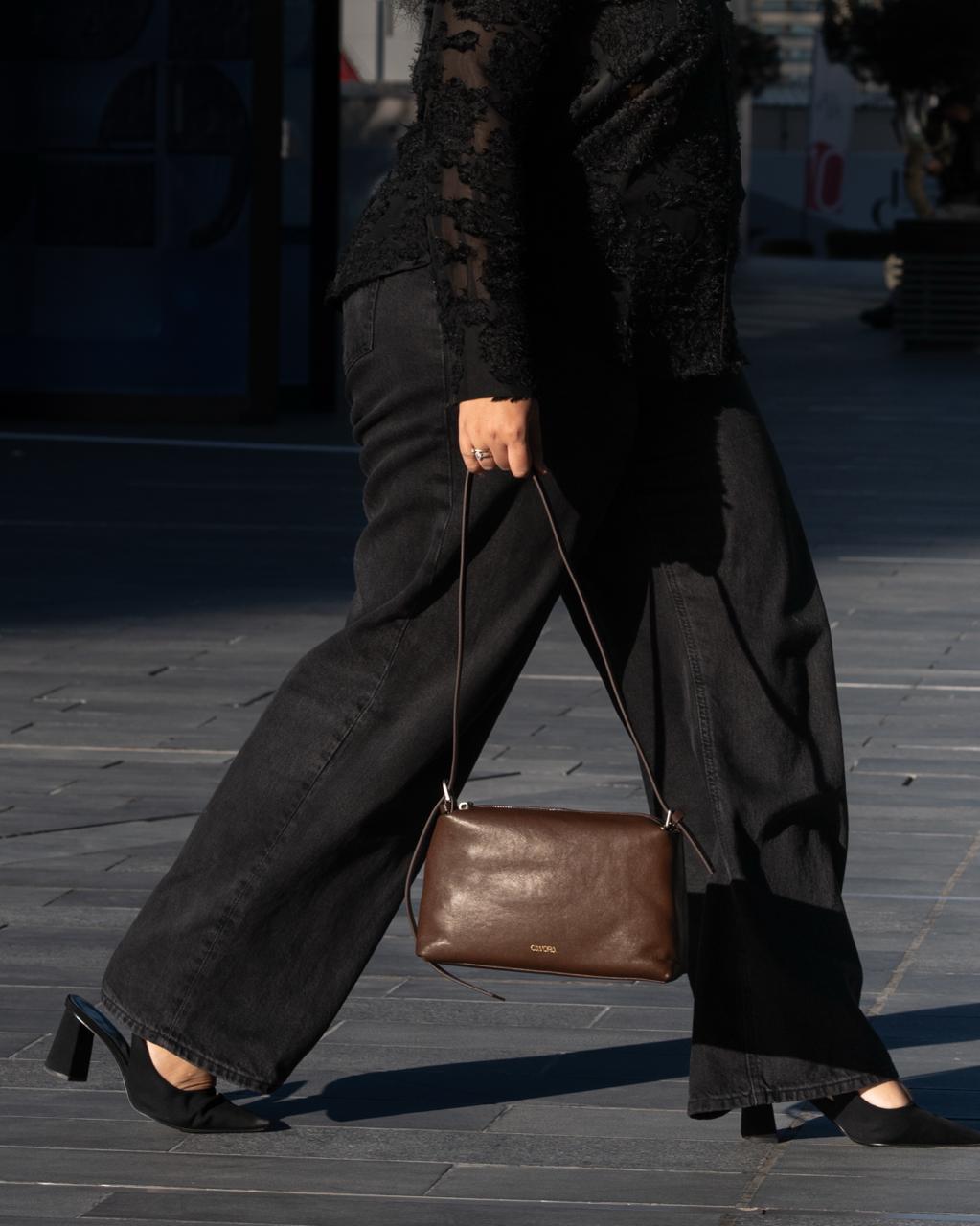
Luxury, increasingly, is becoming less about recognition and more about resonance. If Cavora appears polished today, its beginnings were anything but. Behind the refined campaigns and thoughtfully designed collections is a founder who built the business without a roadmap. As the first entrepreneur in her family, there was no inherited business, no luxury network, and no mentor to show her how to navigate manufacturing, sourcing or product development.
"Everything I know today has come from learning through experience." That learning often happened the hard way. Perhaps nowhere was that more evident than her first sourcing trip to China.
She travelled alone, without introductions or industry contacts, determined to find manufacturing partners who could translate her vision into reality. Weeks were spent sending cold emails, making phone calls and hoping someone would agree to a meeting. Conversations happened through Google Translate. Some factories declined. Others opened unexpected doors. Looking back, those moments have become some of her most valuable lessons.
Quality, she insists, could never be negotiated.
Meenal’s handbags are now designed and manufactured in China, while Cavora's fragrances are crafted in the UAE, a decision that reflects not only the brand's global outlook but also its commitment to working with specialists who understand their craft. "There is no moment where you suddenly have all the answers," she says. "You simply learn, adapt and keep moving forward."
Interestingly, Cavora's product development doesn't begin with sketches or mood boards. It begins with observation. Travel has become one of her greatest creative tools, revealing how differently people experience fashion, scent and luxury depending on geography, culture and climate.
Even fragrance behaves differently depending on where it's worn. Heat changes composition. Humidity alters perception. A scent that feels soft in Europe may evolve completely differently under the Middle Eastern sun. Those insights transformed the way she approached product creation.
"There is always a story or feeling at the core," she says. "But it has to be backed by structure, testing and adaptability." Whether designing a handbag or formulating a fragrance, the objective remains remarkably consistent: create something that feels intuitive rather than performative.
Objects that quietly integrate into someone's daily life instead of demanding attention.
One of the most fascinating shifts she observes is how younger consumers now define luxury. Status still exists. But it is no longer the primary motivation. Today's consumers are looking for authenticity.
They want transparency. They want to understand the people behind the products they buy. Most importantly, they want brands that reflect their own identities rather than simply projecting wealth. "They're buying into a philosophy," she explains. Quality, craftsmanship and thoughtful design have become more persuasive than oversized logos. This evolution has naturally influenced Cavora's direction. The brand isn't interested in creating products for the sake of expanding its catalogue. Instead, the ambition is to create fewer pieces that remain relevant for years.
Products that accompany experiences rather than compete with them. She doesn't believe experiences and possessions exist separately anymore. They're intertwined.
A fragrance becomes inseparable from a particular city. A handbag quietly appears in photographs across birthdays, airports, weddings and ordinary weekdays. The most meaningful luxury products don't interrupt people's lives. They become part of them.
Before Cavora, Meenal spent years working in marketing, contributing to the creative visions of other brands. Building her own company fundamentally changed that relationship. Ideas were no longer presentations waiting for approval. They became products waiting to exist.
"Cavora feels like my own baby." That ownership demanded something she hadn't fully developed before: creative confidence. Every campaign. Every product. Every design decision became another opportunity to strengthen her instincts.
She doesn't describe creativity as sudden inspiration. Instead, she describes it as repetition. Making decisions. Learning from them. Returning the next day and making better ones. It's a quieter definition of creativity than we're often taught. And perhaps a more sustainable one.
Like many founders, she admits entrepreneurship can feel deeply isolating. But inspiration rarely arrives through dramatic breakthroughs.
Instead, it comes through discipline. Through showing up. Through continuing the work even when progress feels slow. Whenever uncertainty begins to creep in, she steps away briefly.
A long drive. A quiet evening. Space to reset. Then she comes back. The person who has remained constant throughout that process is her father and Cavora's co-founder, Mr. Maruti Ambalkar.
With more than three decades of experience in the perfume industry, he was the first person to believe in the vision before it existed as a business. "He has been my constant backbone throughout the journey." His support gave Cavora something every young founder hopes for but few receive so completely: unwavering belief. She often says there is no option B. Not because entrepreneurship is easy. Because commitment leaves little room for alternatives.
Perhaps the most surprising aspect of Cavora's future is its restraint. Many emerging brands speak enthusiastically about expansion into countless categories. She doesn't. Right now, her attention is firmly focused on fragrance. By the time this story reaches readers, Cavora's debut fragrance collection may already have launched, while a second collection is quietly taking shape behind the scenes. Growth, she believes, should create depth before breadth.
The same philosophy extends to the brand's long-term ambitions. Five years from now, she doesn't dream of becoming the loudest name in luxury. Meenal hopes to grow organically, building a loyal community and expanding thoughtfully into international markets through trusted retail partners and global beauty exhibitions. That ambition carries unexpected emotional significance. As a child, she accompanied her father to fragrance exhibitions around the world. One day, she hopes Cavora will stand in those very same halls.
Not as visitors. But as exhibitors. It's the kind of full-circle moment that feels impossible to manufacture.
When we ask what legacy she hopes Cavora leaves behind, Meenal gently reframes the question. Legacy isn't what motivates her. Community is. She doesn't aspire to build the most recognizable luxury brand. Meenal wants to build one that people return to.
Again. And again. Not because marketing persuaded them to. Because trust did. Perhaps that's where Cavora feels most representative of a new generation of luxury brands. It isn't trying to recreate old definitions of exclusivity. It isn't a chasing spectacle. Instead, it's quietly building something rooted in intention, craftsmanship and emotional connection.
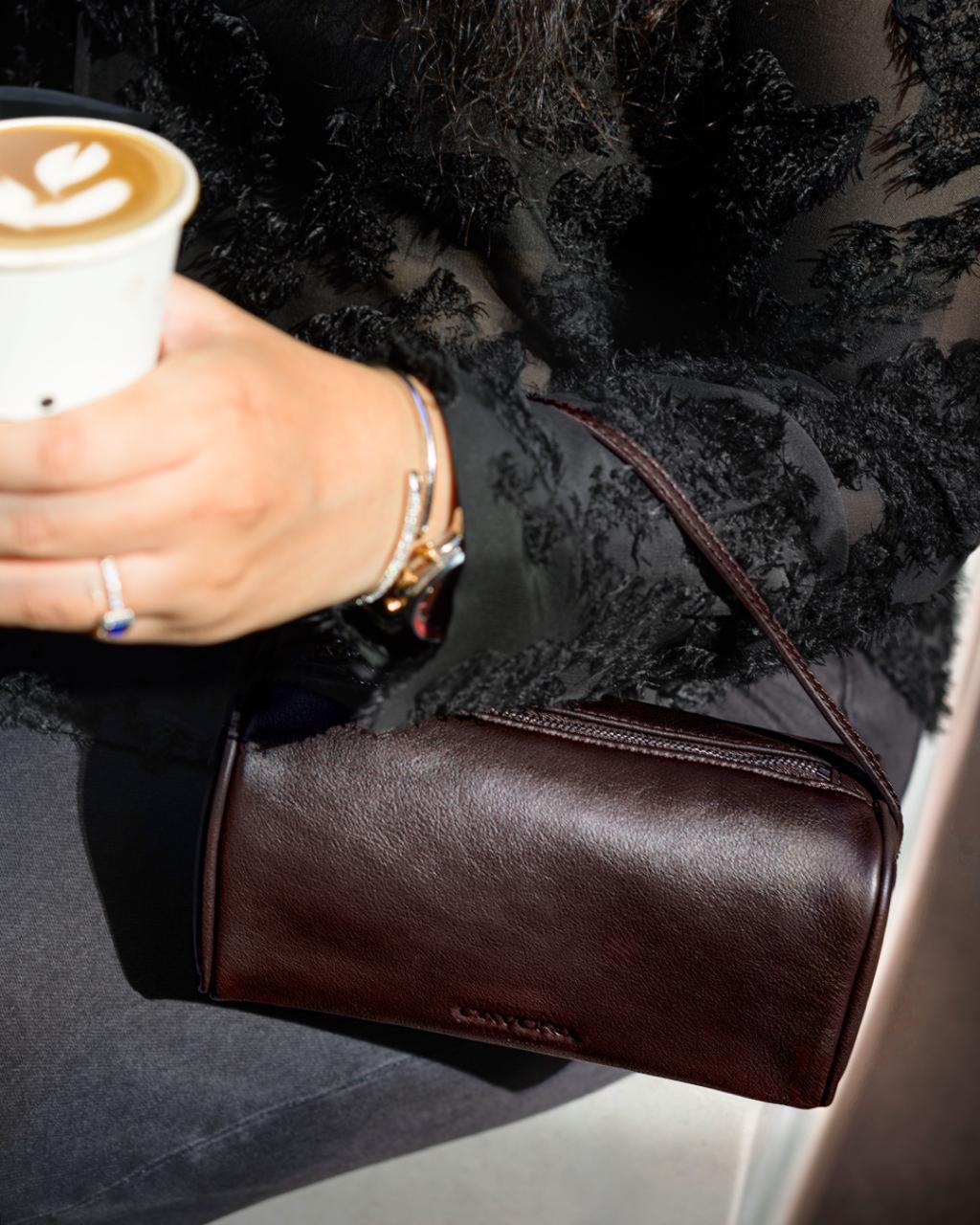
In an industry that has spent decades convincing consumers that luxury is something to be seen, Cavora proposes something altogether different. That luxury is something to be felt.
And perhaps that's why its story resonates beyond handbags or fragrance. It's a reminder that the future of luxury won't belong to the brands that shout the loudest.
It will belong to the ones that create products people carry, not simply in their hands or on their skin, but into the stories they continue writing every day. PS: Cavora Fragrances is set to launch in July 2026.