THE BLEND MAG
Exploring Asia’s Best in Lifestyle.
by The Blend Mag Editorial Team
Open Instagram, scroll for ten seconds, and you're already late.
Tomato girl, office siren, mob wife, clean girl but French; the algorithm serves up aesthetics the way convenience stores stock new drinks: relentlessly, seductively, with an expiry date baked in. You're not just dressing for your day any more; you're dressing for a "For You Page" that has the attention span of a fruit fly.
And yet, quietly, something different is happening in the wardrobes of Seoul, Singapore, Hong Kong and every Asian city plugged into that same algorithm: a soft retreat from costume-level trends and a return to what we'll call algorithm-proof style; luxury basics that don't care what's trending on a Friday, because they'll still feel right in five seasons' time.
They're not boring. They're not minimal for the sake of being minimal. They're simply built with enough intention; about fabric, cut, climate, and culture; that they survive the scroll.
If you look closely, you'll notice those pieces often come with some beautiful homegrown Asian labels stitched inside. Not as loud billboards, but as the clothes and accessories you keep reaching for on auto-pilot.
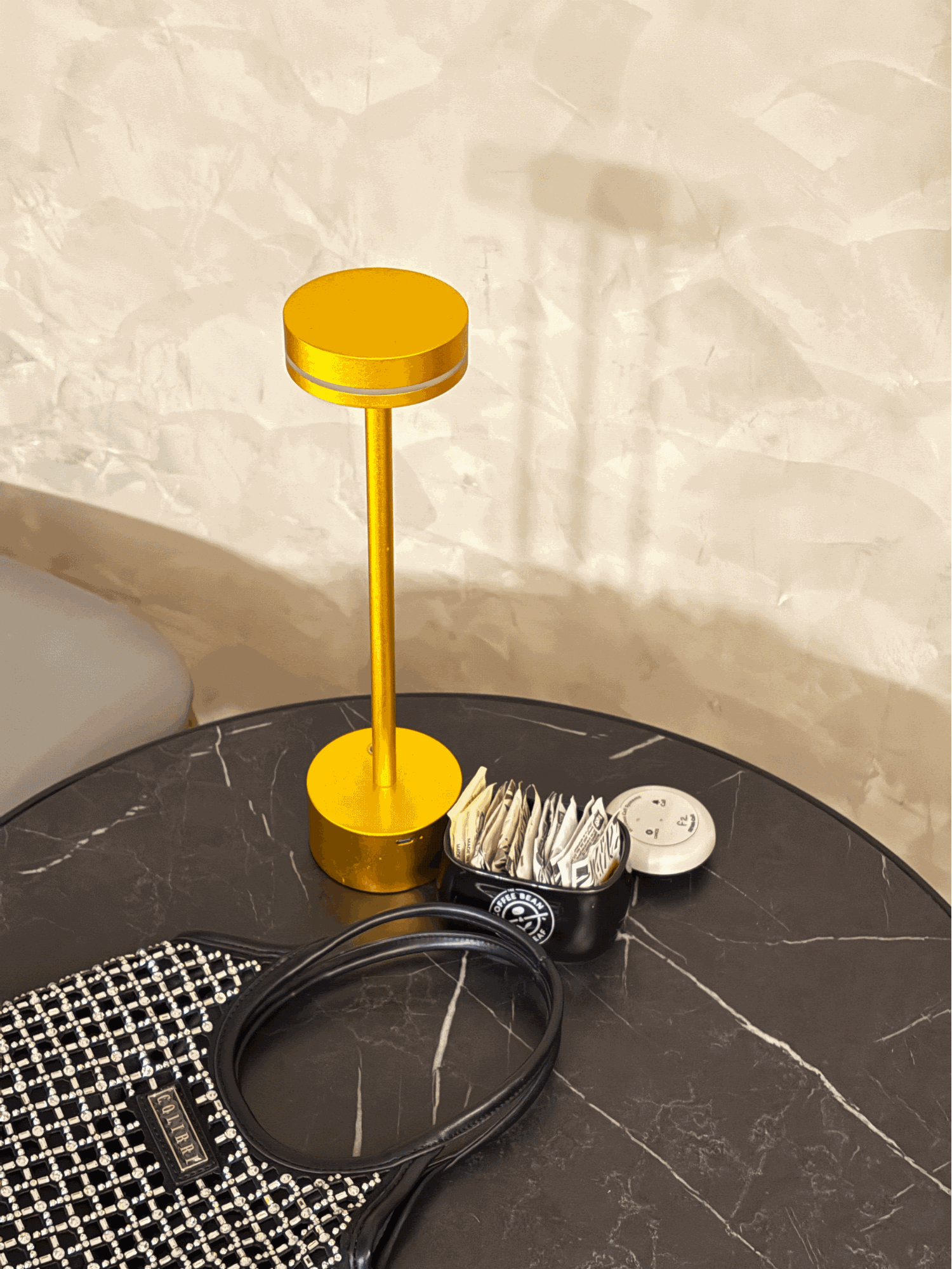
We think of Lotu's as the friend who never raises her voice but somehow sets the mood of the entire room. The Seoul-based brand, founded in 2020, calls itself a contemporary reimagining of nostalgia, obsessed with form and "balanced transformation" rather than next-week trends.
On the rack, that translates into the sort of pieces you accidentally build a life around: the Essential Cotton Sleeveless that skims the collarbone in an almost-halter line, or the seersucker check shirts and raglan long sleeves that read relaxed but deliberate. Layered over their silky jogger pants or washed straight-leg trousers, the effect is quiet but oddly cinematic; like you've walked out of a soft-focus K-drama, not an Instagram reel transition.
You can imagine the same top migrating from a Hongdae coffee run to a late-night pojangmacha stop, then into your suitcase for a weekend in Hong Kong. It doesn't belong to a "core"; it belongs to you.
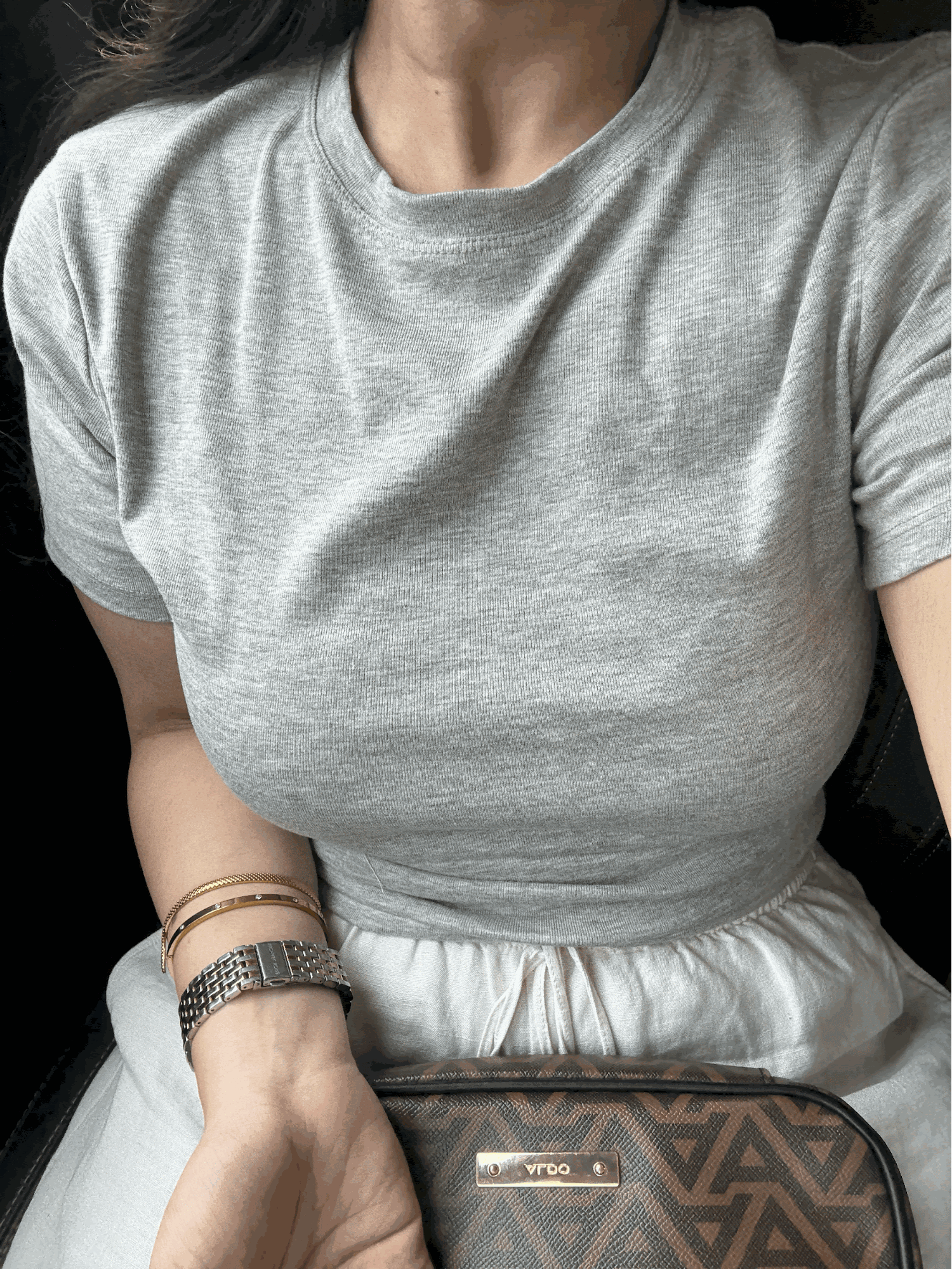
In Singapore, where humidity is a full-time character and offices run on arctic AC, algorithm-proof style looks a little sharper. This is 3eighth's world.
The label is rooted in tailoring discipline and what it calls "emotional storytelling", with every piece "tailored for conversation;" fine details, careful fabrics, a balancing act between menswear precision and feminine ease. Scroll through its line-up and it reads like a love letter to slow tailoring in a fast city: Arc dresses in black, milk or dark denim that slide effortlessly from desk to dinner; buttondown shirts in Japanese seersucker; cropped "Explorer" shirts; kimono trench jackets that borrow the drama of outerwear without the weight.
Picture this: a midweek morning in the CBD. You shrug on a 3eighth Archivals camp-collar shirt, tuck it into wide trousers, add minimal jewellery and loafers. No one can tell if you found it this season or three years ago; only that it fits you uncannily well. The algorithm will move on from camp collars; your shirt doesn't need it to stay relevant.
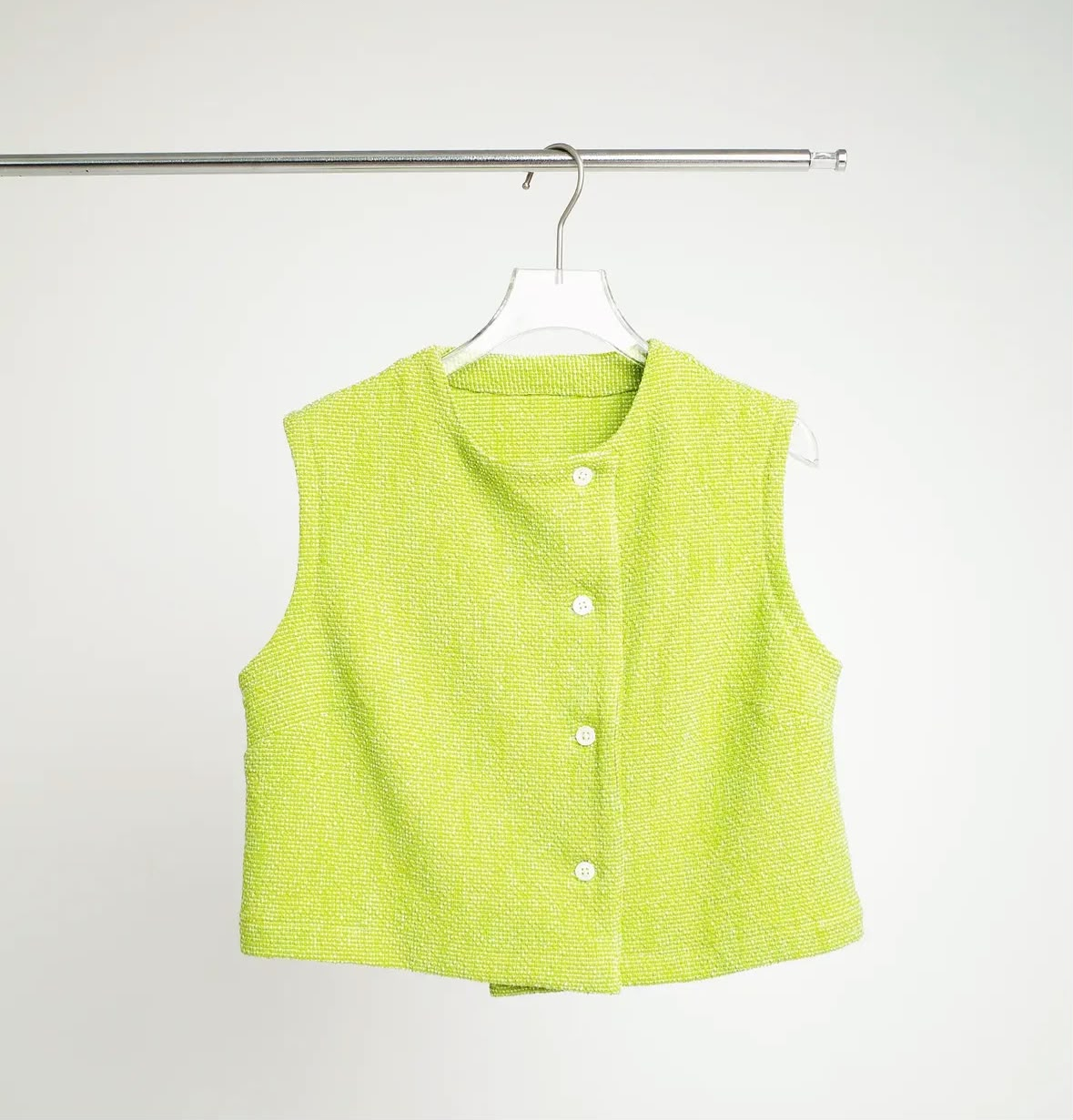
Hong Kong's contribution to this quiet rebellion is Tove & Libra, a brand that could have been engineered in a lab for women who hate wasting time getting dressed. They describe their world as "fashion made better": fewer but better pieces, designed to fit well, feel good and "not cost the earth," literally or metaphorically.
Their collections are full of modern, comfortable classics built to run from work to weekend: tailored trousers that don't pinch on the MTR, softly structured blazers, easy dresses that handle office hours and after-hours with a simple shoe switch.
In a city where you might start the day in a Sheung Wan studio, end it on a rooftop in Central, and in between pack for a 48-hour Shenzhen run, Tove & Libra becomes less of a brand and more of a system. You wear the same black trousers with a tank and sandals on Saturday, then with a crisp shirt and loafers on Monday. No one calls it an "outfit repeater moment"; they just call it good taste.
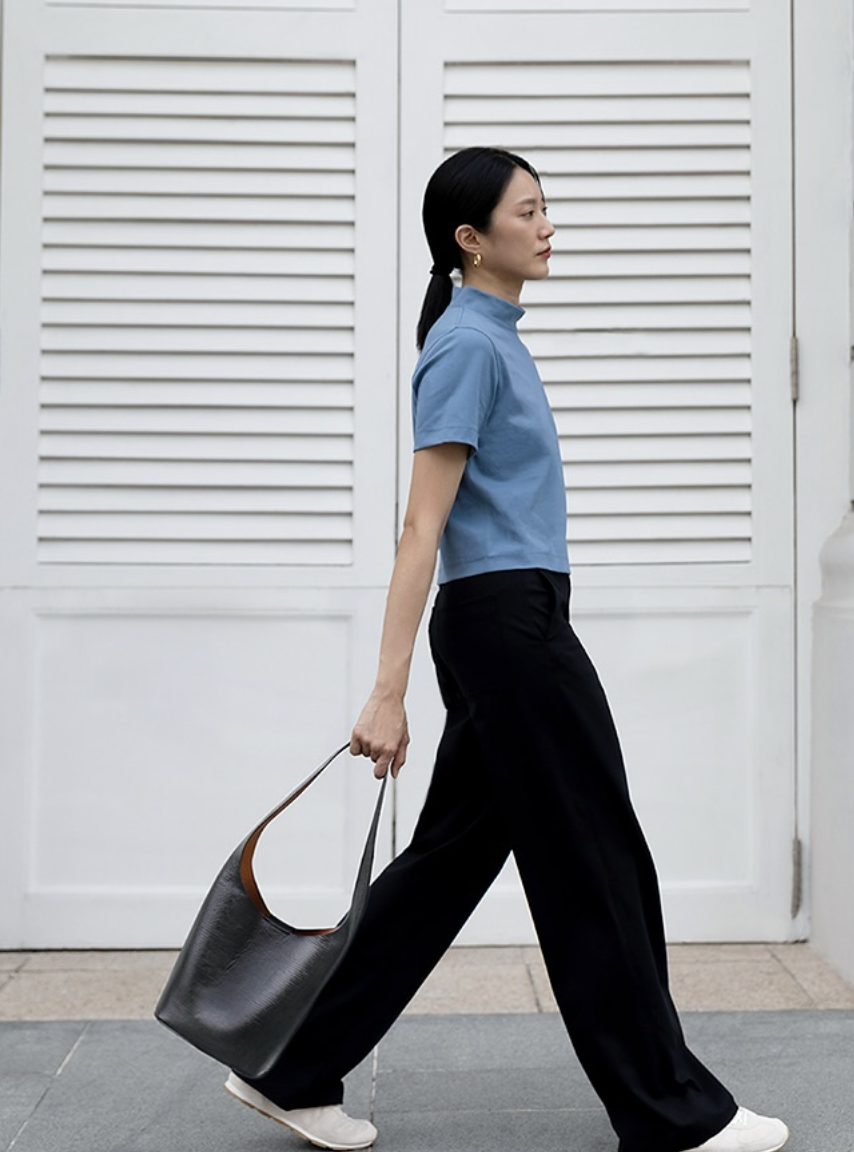
Of course, basics only truly become luxury when they're anchored by the right accessories, the ones that feel as personal as a signature and as reusable as your favourite playlist.
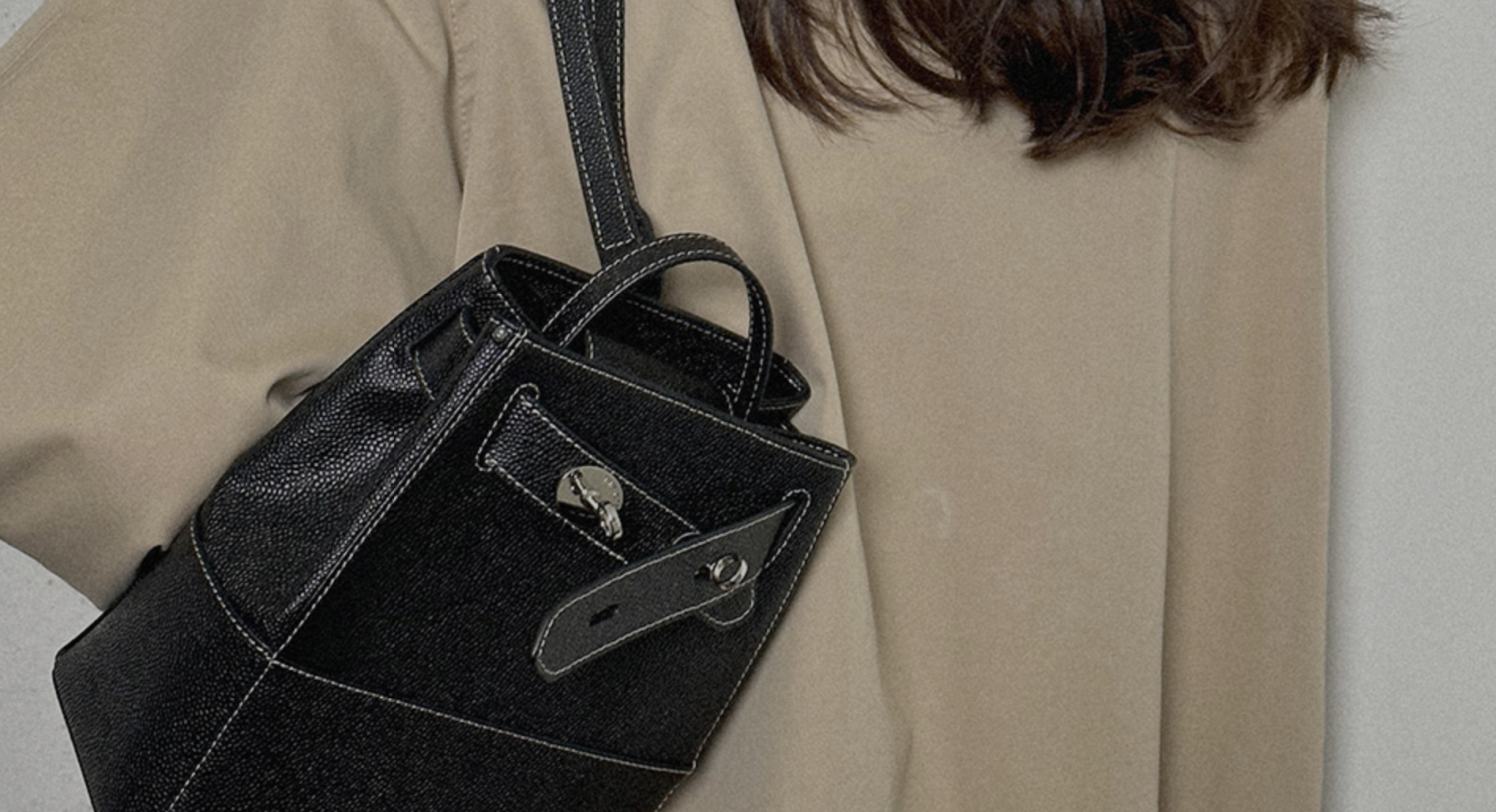
On that front, Korean bag label theoftn has quietly built a cult following. Their Calm, Tilt, Bow and Tully bags are small studies in proportion and attitude: rounded yet sharp, graphic yet wearable, offered in creams, buttermilk tones, mochas, silvers and blacks. You could scroll past a Tilt bag in Black Silver or Teddy Brown (our favourite!), slung under an oversized blazer, and think it's just "a nice bag,"until you start noticing it again and again, styled with jeans one day and a slip dress the next. It doesn't scream designer; it murmurs. That's the algorithm-proof sweet spot.
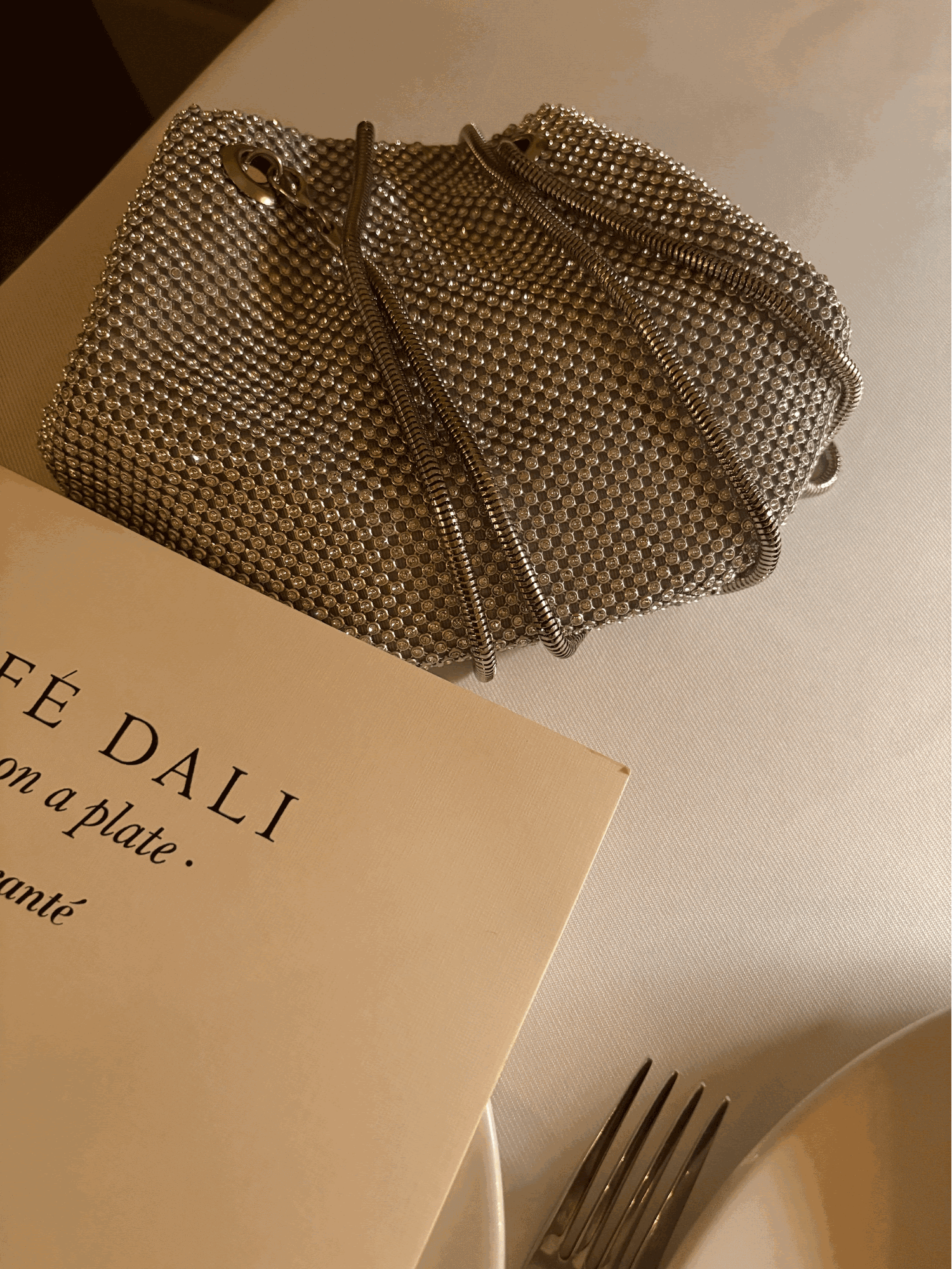
Where theoftn is sculptural and almost architectural, Coyly Colibri is pure mood lighting. The Korean brand's Twinkle bag: a beaded, drawstring mini that catches the light like a disco ball, has become a certified influencer favourite across Asia, with silver and black versions particularly beloved. It's crafted from intricately linked beads and can be worn hand-held, crossbody or on the shoulder, designed to sparkle without tipping into costume. Paired with, say, a very sensible lotu knit and Tove & Libra trousers, a Twinkle bag turns "I'm just popping out for dinner" into "I might accidentally look like I'm on a press tour,"all without buying a new dress every time the going-out aesthetic changes on your feed.
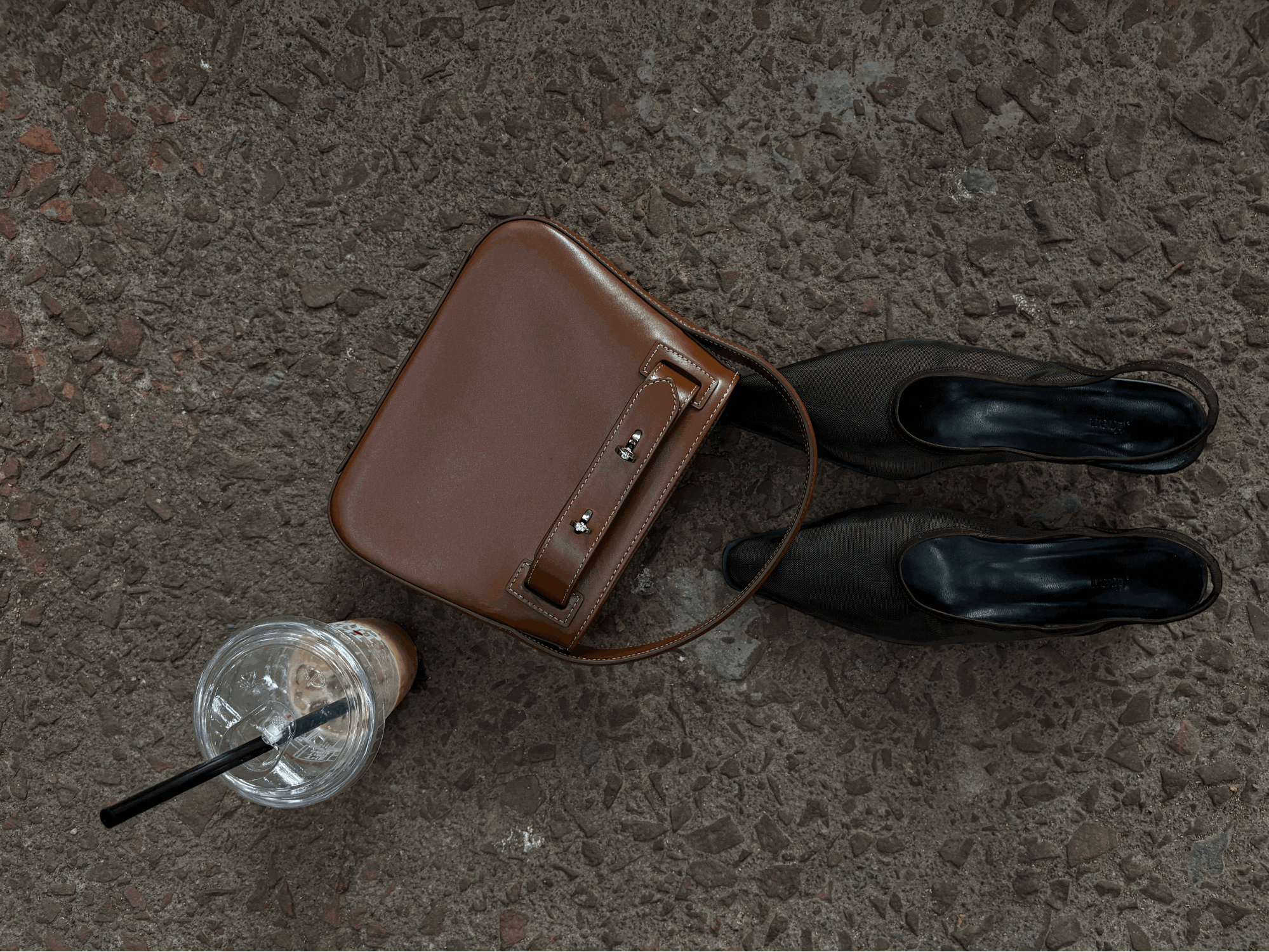
And then there is the ground we walk on. Korean footwear label Then is the kind of brand you discover once and then quietly hoard. As a young handmade shoe brand, Then talks openly about "artisanal chic", classic charm and trend-conscious details, but always through a lens of naturalness, comfort and health.
New arrivals read like a capsule for real life: London loafers in mocha brown or shiny black; New London flats and slingbacks; Gemma stilettos with wearable 4cm heels. The common thread is this: you can actually walk in them. They're the shoes that go from Gangnam café queue to the red-eye flight boarding gate and still look right underneath a pressed trouser, a slip skirt or denim.
When the algorithm declares ballet flats "out" and then "in" again within six months, your Then pair just keeps doing its job, not as a trend token but as part of your visual language.
Put all of this together and an interesting picture emerges.
Algorithm-proof style doesn't stop at the wardrobe. The people with the strongest sense of style are often curating rituals as much as outfits; the mug they reach for every morning, the robe they unwind in after a long day.
That's where Saar Objects fits effortlessly into the conversation.
The Indian brand approaches everyday living with the same philosophy we've seen across Asia's most thoughtful labels: buy less, choose better, live with intention.
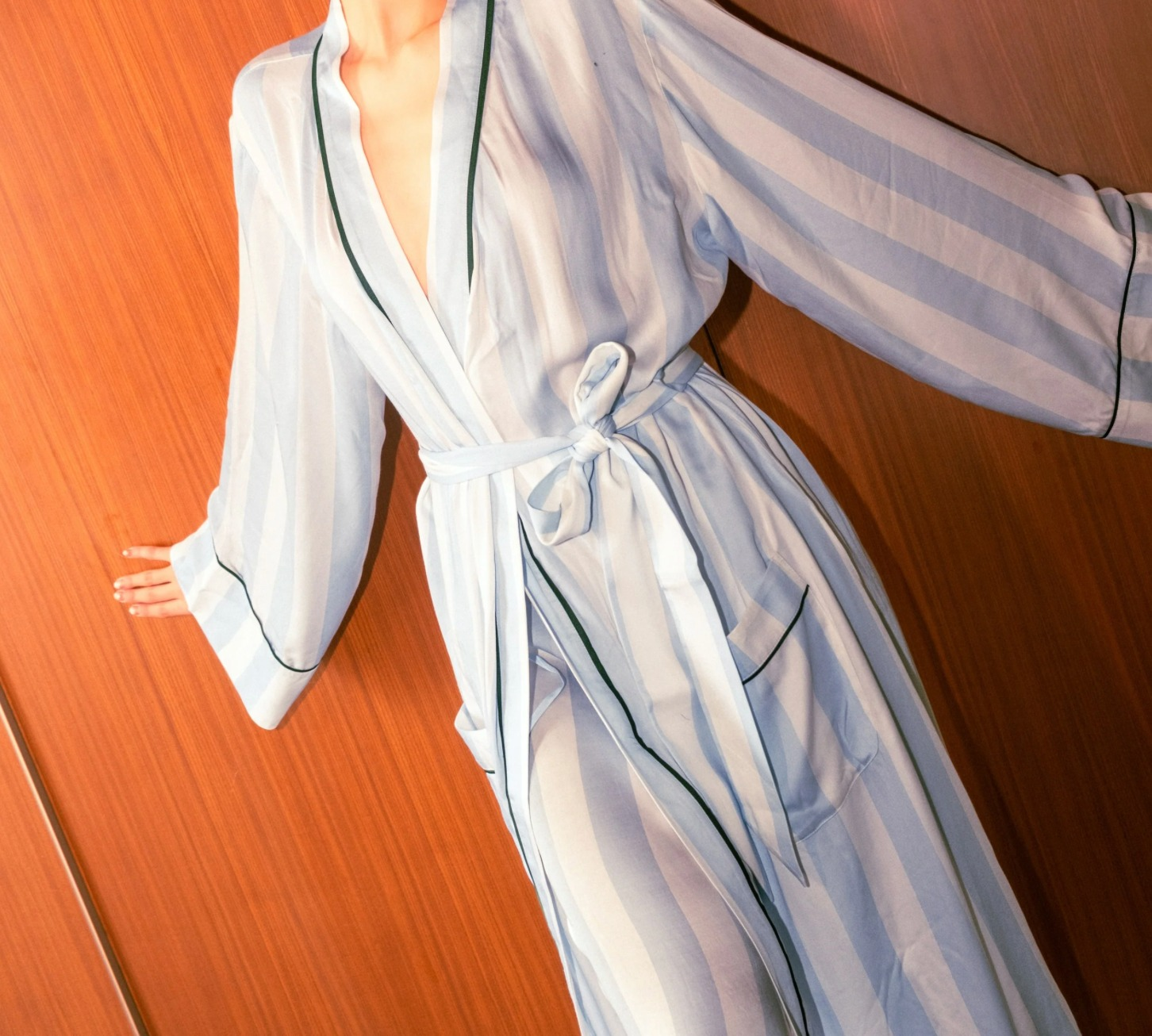
Its The Buttery Soft Robe is the kind of piece you instinctively reach for, whether it's a slow Sunday morning or winding down after work. Meanwhile, The Morning Mug turns an everyday coffee or chai into a small ritual, proving that luxury isn't always about what people see, it's often about how something makes you feel.
Algorithm-proof style isn't about opting out of fashion. It's about opting out of panic. It's the Singapore copywriter who rotates between three 3eighth shirts and one lotu cardigan all week, but switches bags between a theoftn Calm and a Coyly Colibri Twinkle to change the temperature of her look. It's the Hong Kong founder who lives in two Tove & Libra dresses and one pair of Then loafers, occasionally throwing a satin jacquard lotu bag over the top for a hit of texture. It's a Seoul student who saves up for one really good pair of Then flats and a single Tilt bag, then lets them anchor a rotation of affordable basics, building a style that feels distinctly her own, even if the pieces themselves are quietly understated.
The algorithm can still introduce us to these labels, of course. A thirty-second try-on haul of lotu Essential Cotton Sleeveless tanks, a Reel showing how many ways a 3eighth kimono trench can be worn, a close-up of the shimmer on a Coyly Colibri Twinkle bag, the click of Then heels on terrazzo floors. But the difference is what happens after the post has done its rounds, when the sound is no longer trending and the hashtag has cooled. The pieces we've named here still make sense. They're designed to live in your wardrobe, not in your saved tab.
That, we'd argue, is the new definition of luxury in Asia: not just price or logo, but longevity: emotional, aesthetic and physical. Clothes and accessories that feel as relevant in Seoul in November as they do in Singapore in March; bags that still thrill you the twentieth time you reach for them; shoes that remember every city you've walked through in them.
If you're ready to build a wardrobe that outlasts the scroll, and to meet more homegrown Asian labels, stay tuned with The Blend Mag.
We're here to curate the pieces (and the stories) that deserve a permanent spot in your closet, not just a fleeting place on your feed!